
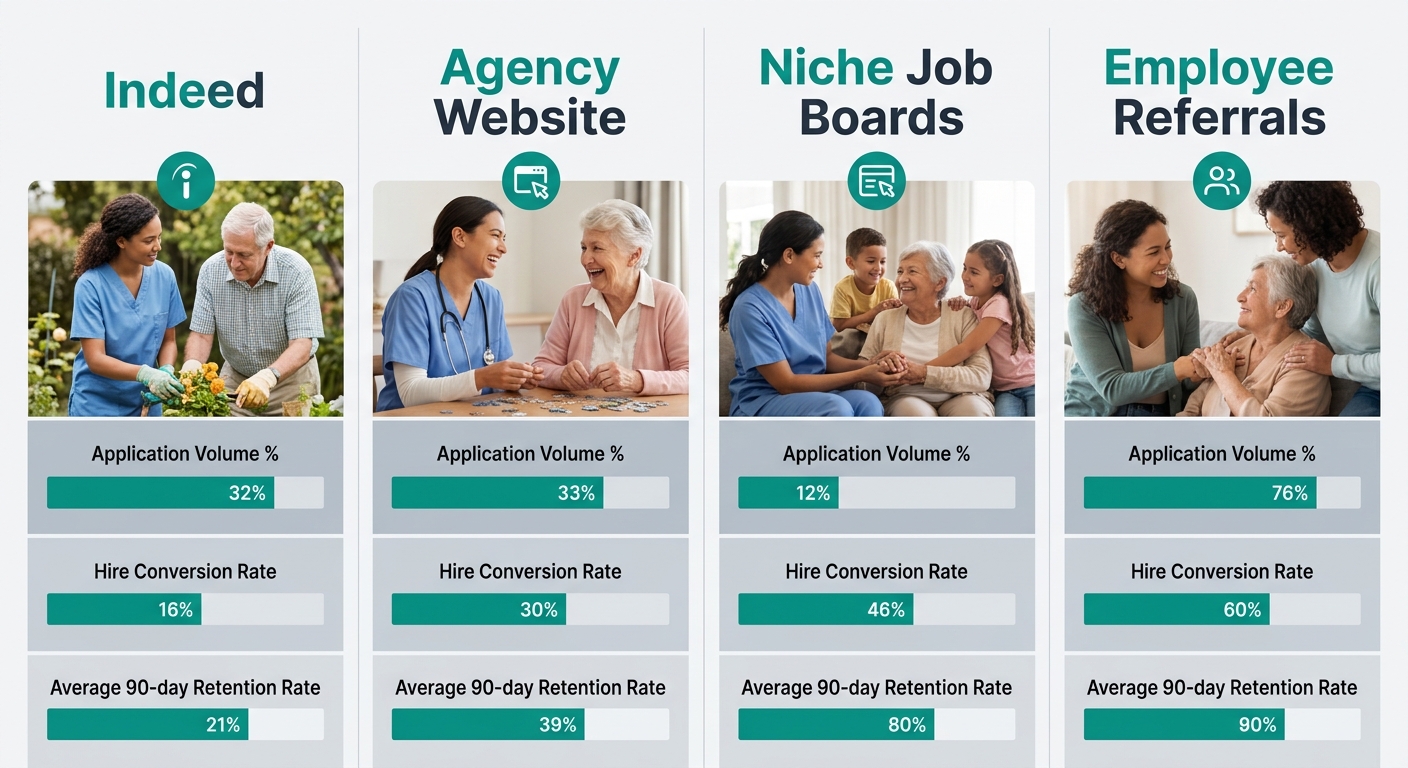
Indeed generated 66% of caregiver applications in late 2025 but produced an 88% turnover rate among the hires who came through it. Agency career pages, by contrast, generated only 17% of applications yet accounted for 31% of actual hires. That gap between volume and quality defines the core problem with single-channel recruitment. The rules below won’t tell you to abandon Indeed. They’ll help you build a caregiver sourcing strategy that fills shifts with people who actually stay.
Treat your careers page like your best job board
Your agency website converts applicants to hires at roughly twice the rate of Indeed. The math is simple: someone who finds your site, reads about your culture, and applies is more self-selected than someone tapping “Easy Apply” on a general board.
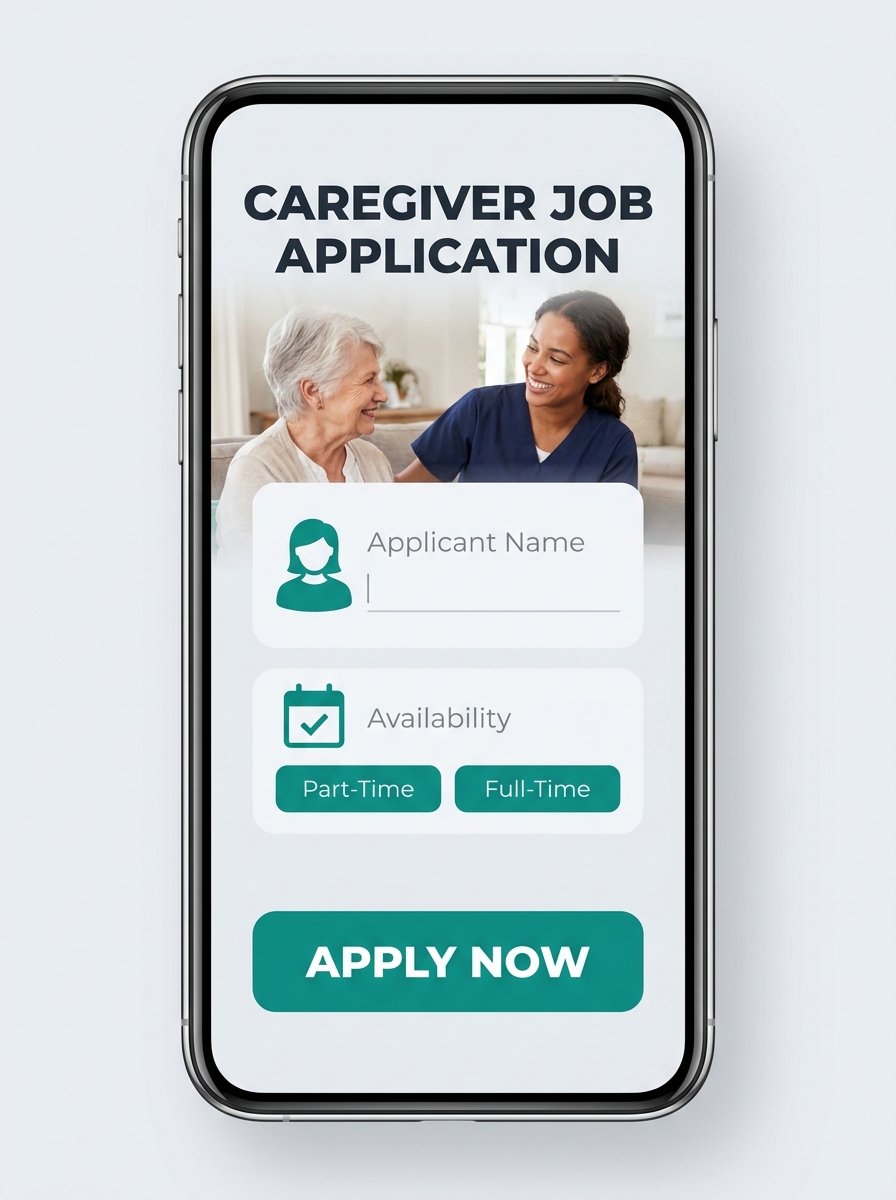
But this only works if your careers page does real work. That means mobile-first design (most caregivers apply from phones), a clear description of schedule flexibility, and specific pay ranges. If your application takes more than five minutes to complete on a phone screen, you’re bleeding candidates before they ever hit submit. We’ve written extensively about fixing the mobile application experience because it’s one of the fastest wins in home care recruitment.
Also worth doing: add employee testimonials directly to the careers page. Video is better than text. A 45-second clip of a current caregiver describing their typical day does more than a paragraph of bullet points about “rewarding work.”
Pay your caregivers to recruit their friends
Employee referrals consistently produce the lowest turnover rates and one of the lowest costs per hire in the industry. The median cost-per-hire through referrals sits around $162, and agencies that structure their referral programs thoughtfully report that referred caregivers stay longer and report higher satisfaction.
The structure matters more than the dollar amount. A flat $500 bonus paid on hire date sounds generous but creates the wrong incentive. Better: a split bonus, like $50 when the referred candidate completes their application and $100 after they’ve worked 100 hours. MCM LLC uses exactly this structure, and it rewards the referring caregiver for bringing in someone who actually sticks around.
Some agencies add public recognition on top of the cash. A monthly shout-out in a team group chat or a small gift card to a local restaurant reinforces the behavior without inflating costs. The key is making the referral process dead simple. If a caregiver has to fill out a form and email it to HR, adoption will be low. A text-based referral link they can share from their phone keeps friction minimal.
Post on niche boards where certified aides already look
Indeed and ZipRecruiter cast wide nets. That’s their strength and their weakness. Platforms like MyCNAjobs.com and CareAsOne attract candidates who are already certified or actively pursuing care roles, which means the applicants who come through tend to be qualified and serious about the work.
The Home Care Association of America notes that over 55% of hires in 2025 had little or no prior caregiving experience. If your agency is willing to train, the general boards serve you fine. But if you need CNAs, HHAs, or experienced companions, niche alternative caregiver job boards deliver a better signal-to-noise ratio.
CareAcademy’s survey of agency owners found that using several platforms simultaneously produces the best results. The combination of Indeed for volume, a niche board for quality, and Facebook for local reach covers three distinct pools of candidates with different job-seeking habits.
Use Facebook like a local recruiter, not a national brand
Facebook remains the most effective social platform for reaching caregivers because of how hyper-local its targeting can be. You’re not building a brand presence for a national audience. You’re running a $15/day ad targeted at women aged 25-55 within 20 miles of your service area who have expressed interest in healthcare, caregiving, or CNA certification.
Facebook Groups are equally valuable, and they’re free. Join groups for local job seekers, nursing students, and community organizations in your area. Don’t spam them with job posts. Instead, share a genuine story about a caregiver on your team, tag it with your hiring link, and let the content do the work.
Short-form video performs well here. A 30-second “day in the life” clip filmed on a caregiver’s phone and posted to your agency’s Facebook page gets more engagement than a polished graphic with bullet-pointed benefits. The audience for these roles responds to authenticity, and a real person talking about real work carries weight.
Tip: When posting caregiver roles on Facebook, include the zip code or neighborhood name in the post text. Facebook’s algorithm surfaces local content more aggressively, and candidates searching for “jobs near me” are more likely to see geographically specific posts.
Go where caregivers gather offline
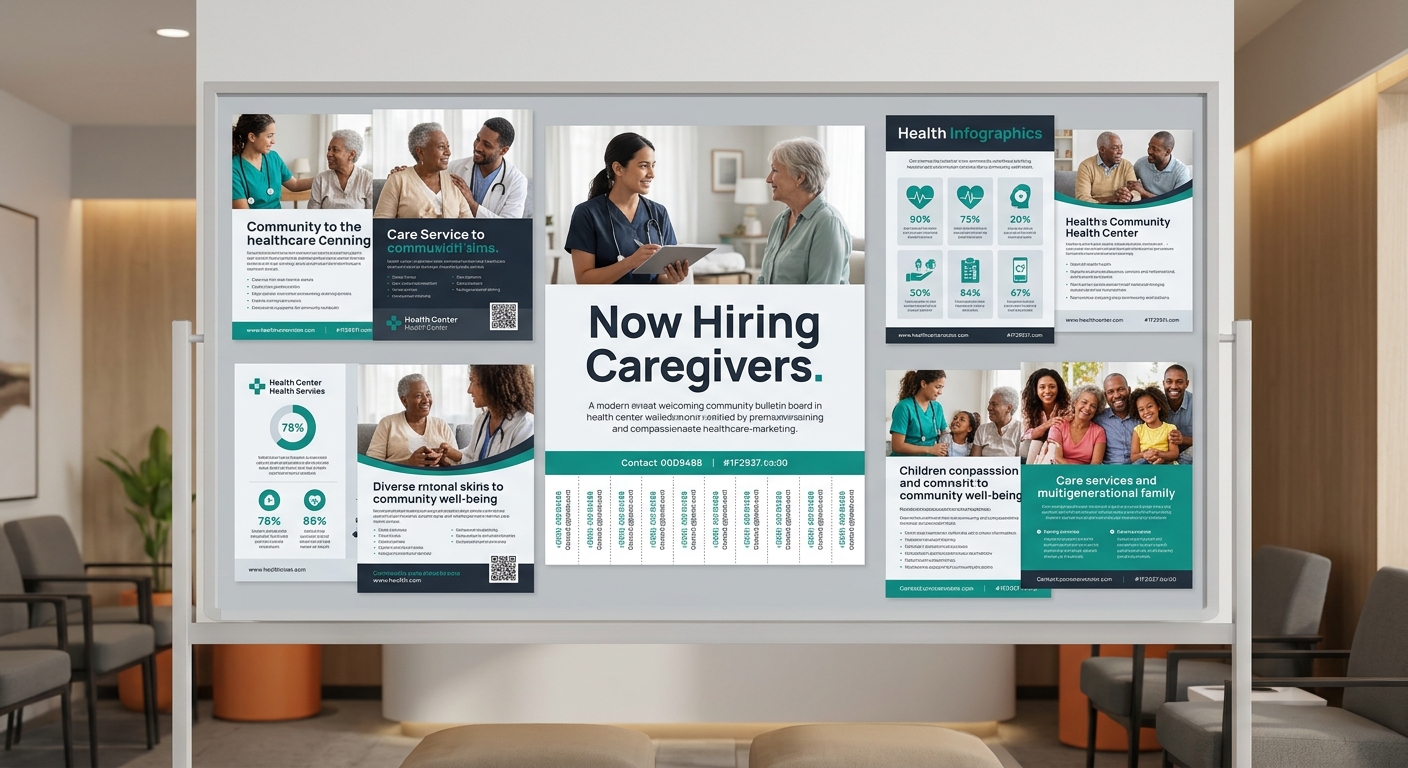
Digital channels dominate recruitment conversations, but physical presence still works in this industry. Community bulletin boards at doctors’ offices, health centers, laundromats, and churches put your agency name in front of people who may not be actively searching online but are open to the opportunity.
Aaniie’s research on caregiver sourcing highlights waiting rooms, restaurants, and community centers as proven low-cost channels. Church bulletins, in particular, reach a demographic that skews toward values-aligned candidates who see caregiving as meaningful work.
Local community college job fairs and CNA training program partnerships are higher-effort but produce candidates at the exact moment they’re entering the workforce. If your agency is within driving distance of a program that certifies nursing assistants, building a relationship with the program director is one of the best long-term investments you can make. With 25% of the direct care workforce composed of immigrants, partnerships with ESL programs and cultural community organizations also open home care recruitment channels that your competitors probably aren’t using.
Respond within 24 hours or lose the candidate
None of the channels above matter if your response time is slow. The data on this is unforgiving: top caregiver candidates are hired within three days of entering the job market, and over 59% of hires are interviewed within four days of applying. If your agency takes a week to call back an applicant, they’ve already accepted a position somewhere else.
This applies across every channel. An Indeed applicant, a Facebook lead, a referral from a current caregiver, and a walk-in from a job fair all need the same speed of follow-up. Automated text confirmations (“Thanks for applying, we’ll call you within 24 hours”) buy you goodwill and signal professionalism. But the actual human follow-up has to happen fast.
If you’re spending time writing recruitment ads that attract the right candidates, pair that effort with an internal SLA for response time. A beautifully crafted job posting loses its value entirely when the person who responded to it gets a callback five days later from your recruiter and two days earlier from your competitor.
A beautifully crafted job posting loses its value entirely when the person who responded to it gets a callback five days later from your recruiter and two days earlier from your competitor.
When these rules compete with each other
Every agency operates under different constraints. A startup with two caregivers and no marketing budget can’t run Facebook ads and attend job fairs simultaneously. A large franchise with 200 employees doesn’t need to post on Craigslist. The right mix depends on your size, geography, and the specific roles you’re trying to fill.
The one thing that doesn’t change is the danger of depending on a single source. Agencies that pull all their applicants from Indeed are vulnerable to price increases, algorithm changes, and the fundamental quality problem that high-volume boards create. Building even two or three alternative channels gives you resilience.
If you’re unsure where to start, the simplest approach is to ask your current team how they heard about you and then track where caregivers find jobs in your specific market. Measure 90-day retention by channel, and the data will point you toward the right investments. A career advancement structure that keeps new hires engaged multiplies the return on whatever channel brought them in. And if you need help connecting the digital pieces across home care marketing services and recruitment strategy, the real win is building these channels deliberately rather than scattering budget across platforms and hoping one of them sticks.