
Three multi-site senior living operators have replaced stock photography with resident images across marketing materials over the past 18 months, according to Senior Housing News, as providers respond to increased AI-generated content by emphasizing authentic experiences. Beztak, Heritage Communities, and New Perspective Senior Living confirmed the shift on September 1, 2026, citing improved prospect engagement when families see current residents rather than models.
TL;DR: Beztak, Heritage Communities, and New Perspective Senior Living replaced stock marketing photos with resident images over the past 18 months, while Heritage Communities increased satisfaction surveys from annual to quarterly frequency to address feedback gaps that operators say frustrate residents when concerns go unresolved.
Operators Cite Prospect Connection as Primary Driver
Lacy Jungmann, chief marketing officer at Omaha-based Heritage Communities, told Senior Housing News that showing actual residents helps prospects visualize themselves in the community. “I want future residents to know and have a real, true glimpse into what they could be moving into,” Jungmann said. Farmington Hills, Michigan-based Beztak confirmed similar practices across its portfolio, according to Jason Kohler, executive vice president of senior living at the operator.
The trend accelerates as AI-generated images become more prevalent in digital advertising. Operators said families increasingly question whether marketing materials reflect genuine community experiences, making resident-centered photography a differentiation strategy.
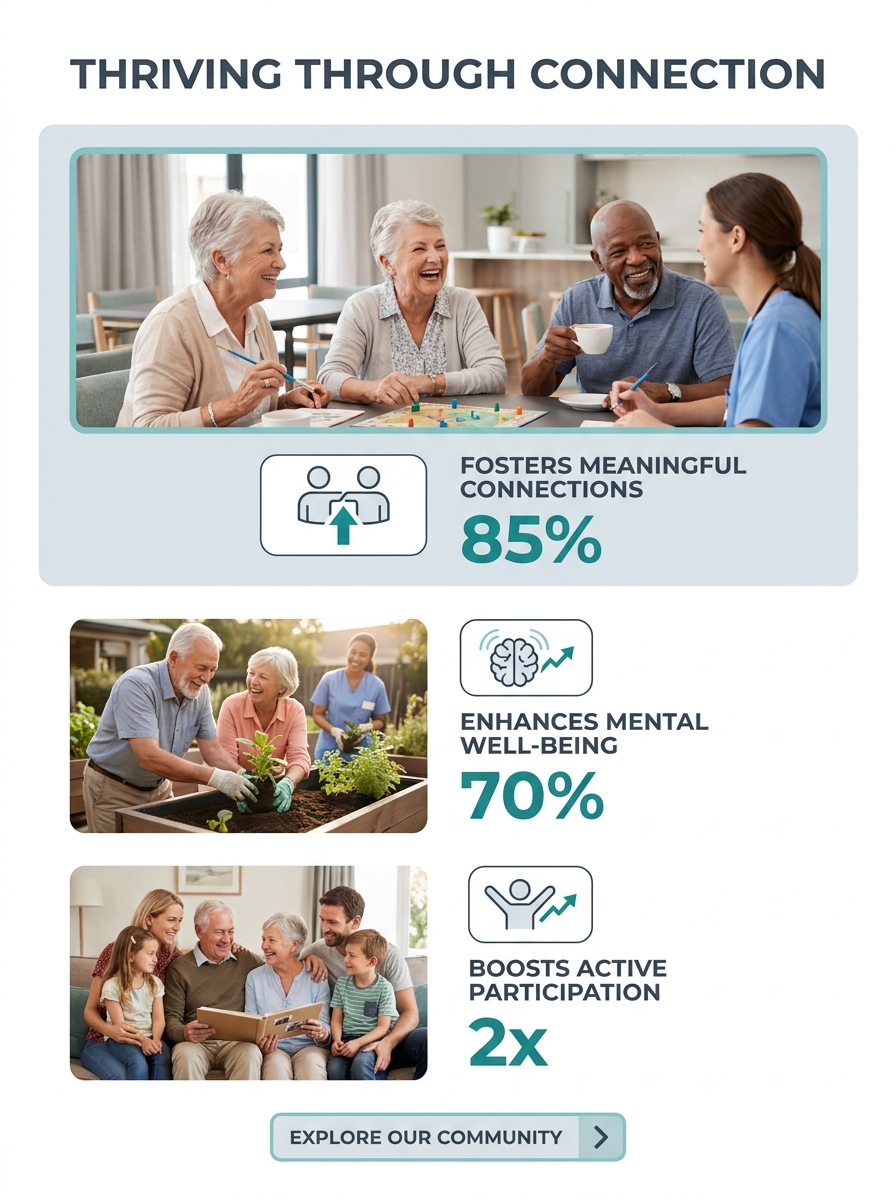
New Perspective Senior Living, based in Minnetonka, Minnesota, uses resident photos across digital and print channels. Co-CEO Chris Hyatt confirmed the organization solicits resident consent before using images in external materials, a practice formalized after resident feedback incidents at other operators.
Consent Gaps Surface as Operators Scale Resident Photography
Heritage Communities encountered a consent breakdown when a resident’s image appeared in a direct mail piece advertising a fall prevention AI platform without the resident’s prior knowledge, according to the September 1 report. The resident expressed disappointment after discovering the usage, prompting Heritage to tighten approval workflows for resident imagery across all marketing channels.
Jason Kohler identified information vacuums as a common source of resident frustration. “When residents know there is an issue but do not know what is being done about it, uncertainty can quickly become frustration and speculation,” Kohler said. Beztak experienced resident pushback when one community eliminated paper communications in favor of electronic delivery on a Friday without advance notice. Residents submitted a petition by Monday requesting reinstatement of printed materials.
“We had changed something that affected their daily lives without sufficiently involving them in the decision,” Kohler said, describing the incident as a failure to involve residents in operational changes that impact daily routines.
Heritage Moves to Quarterly Satisfaction Surveys
Heritage Communities increased resident satisfaction survey frequency from annual to quarterly over the past 18 months, according to Senior Vice President of Operations John Pryor. The change aims to surface concerns before they escalate, allowing operators to address issues within 90-day cycles rather than waiting a full year for formal feedback.
Executive directors at Heritage communities receive training to maintain visible presence among residents, encouraging informal feedback outside structured survey windows. Pryor said the approach has improved resident satisfaction scores, though the operator did not disclose specific percentage gains.
Capital expenditure projects now incorporate resident input collected through quarterly surveys. Pryor cited two examples: installing a putting green at one community and building raised garden beds at another, both responding to resident requests documented in quarterly feedback cycles.
New Perspective Senior Living uses multiple feedback channels beyond surveys. Hyatt said residents can submit publicly posted grievance forms, provided at move-in and available upon request. State regulations dictate response timeframes for formal grievances, which vary by jurisdiction. The operator also conducts monthly resident council meetings and semi-annual outreach to residents or legal representatives.
Operators implementing digital marketing strategies continue balancing resident authenticity with operational scalability as families conduct pre-visit research through online channels before scheduling tours.
Communication Failures Create Resident Dissatisfaction
One New Perspective resident contacted Senior Housing News directly to voice concerns about feeling uninvolved in community decisions, writing, “Get our input, please, because this is our life. We want to be comfortable.” The resident’s outreach underscores gaps operators face when feedback loops fail to close at the community level.
Chris Hyatt acknowledged receipt of the resident’s concerns and stated New Perspective investigates grievances promptly. The operator uses LifeLoop software to communicate resident council meeting outcomes to family members, attempting to maintain transparency when residents or their legal representatives cannot attend in person.
Kohler said closing feedback loops proves more difficult than collecting feedback. Operators must communicate investigation timelines, interim findings, and final resolutions to prevent the information vacuums that breed speculation among residents.
Farmington Hills-based Beztak reinstated paper communications within 72 hours of the resident petition. Kohler said the rapid response demonstrated to residents that their collective voice carries weight when formal channels fail to capture sentiment before policy changes take effect.
The Takeaway
Senior living operators face dual pressure from families researching communities online and residents demanding authentic involvement in daily operations. The shift from stock photography to resident images addresses pre-move-in trust gaps as families question whether marketing materials reflect actual experiences, particularly as AI-generated content saturates digital advertising. Heritage Communities’ move to quarterly satisfaction surveys recognizes that annual feedback cycles leave 9-12 month windows for unresolved concerns to compound into dissatisfaction that drives occupancy losses.
Operators implementing resident-centered marketing must balance authenticity with consent workflows that prevent the image-usage missteps Heritage documented. The operational challenge extends beyond photography—Beztak’s paper communications incident illustrates how well-intentioned efficiency changes create resident backlash when communities skip consultation steps. As occupancy rates improve industry-wide, operators using experience-focused growth frameworks should recognize that marketing authenticity starts with operational transparency that closes feedback loops before minor concerns become public grievances.