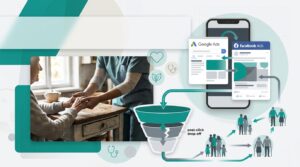
Oflox, a digital marketing consultancy, published a healthcare SEO guide October 3 that identifies trust signals and local search visibility as primary ranking factors for medical providers, according to the firm’s blog. The framework emphasizes Google’s E-E-A-T requirements—experience, expertise, authoritativeness, and trustworthiness—and clinical content accuracy standards for health-related websites.
TL;DR: A digital marketing consultancy released a healthcare SEO guide October 3 identifying trust signals, local search optimization, and credible clinical contributors as core requirements for medical provider visibility in organic search results.
The 2,800-word guide addresses provider visibility challenges as patients increasingly research healthcare services through unpaid search results before booking consultations or comparing local facilities, according to the Oflox document.
Framework Targets Provider Discovery and Local Search
The guide structures healthcare SEO around five operational areas: keyword research aligned with patient search patterns, local business information accuracy, content quality with verified clinical contributors, technical website improvements, and trustworthy provider credential displays, the document shows.
Oflox identifies location-based searches as “particularly relevant” for clinics, nursing homes, and diagnostic centers. The framework recommends dedicated service pages that describe consultation procedures, available facilities, preparation requirements, and payment arrangements—information the guide says reduces uncertainty before a visitor contacts the organization.
The consultancy distinguishes healthcare SEO from general business optimization by citing Google’s “Your Money or Your Life” (YMYL) classification, which applies heightened content quality standards to subjects affecting health decisions or financial security. “Publish material that deserves trust and make the people responsible for it identifiable,” the guide states, paraphrasing Google’s search quality guidance.
Guide Emphasizes Credible Contributors Over Keyword Density
The Oflox framework dedicates multiple sections to author credentials and clinical expertise verification. Healthcare websites require “relevant clinical expertise for medical explanations” rather than general content writers, according to the document’s comparative table contrasting healthcare and general SEO practices.
The guide warns that earlier SEO strategies concentrated on keyword placement, directory listings, and basic website pages, but current search algorithms prioritize contributor qualifications and maintained service details. “A clinic can offer excellent care and still have an unclear website,” the document states, describing scenarios where visitors cannot find addresses, specialties, or appointment processes through search.
The framework recommends service pages answer specific patient questions: whether a facility accepts Medicare, what equipment is available for physical therapy sessions, how to prepare for diagnostic imaging, and whether telehealth consultations are offered. These details should “describe the service honestly without promising a result that cannot be guaranteed,” the guide notes.
Local Search Visibility Named Essential for Physical Locations
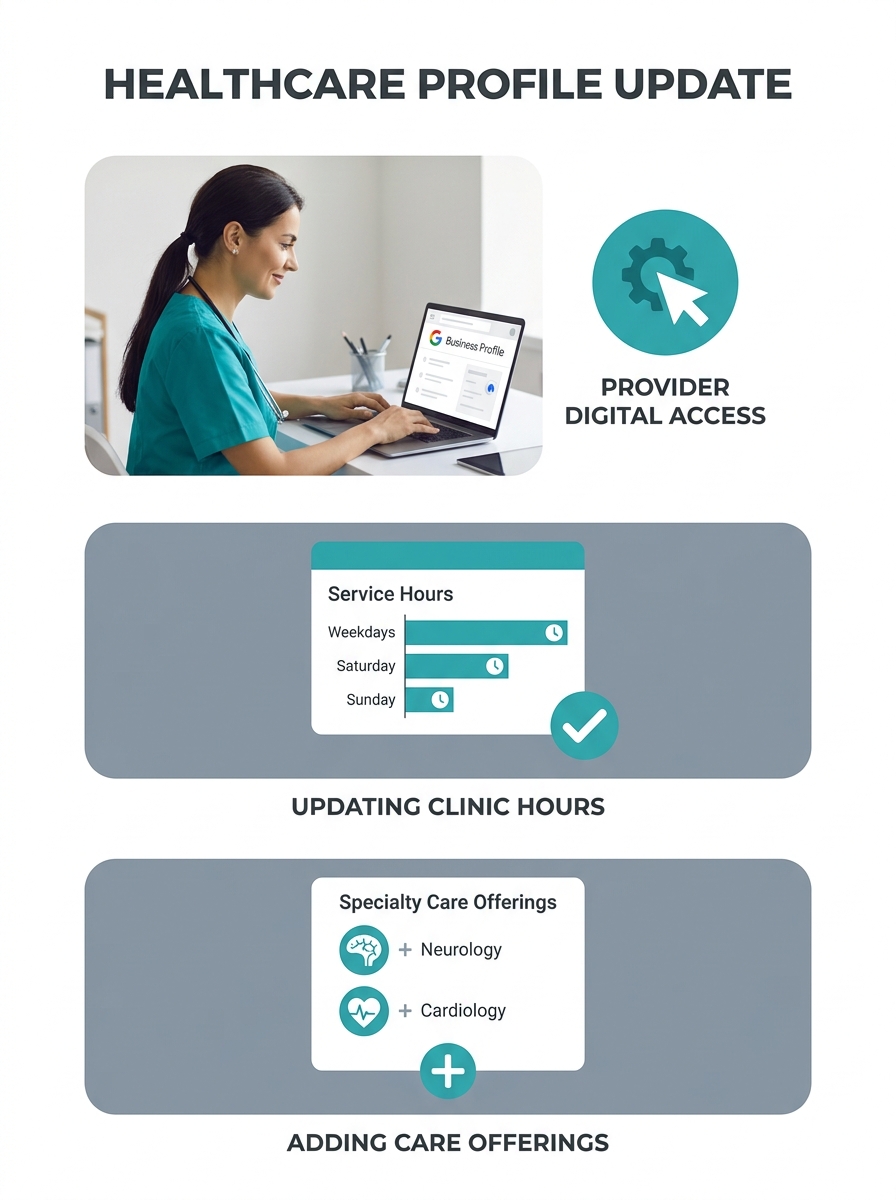
For nursing homes, assisted living communities, and home care agencies operating in defined service areas, the Oflox guide identifies local search optimization as a distinct priority separate from general content marketing. The framework recommends accurate Google Business Profile maintenance, consistent address and phone information across directory listings, and mobile-friendly website design for map-based searches.
The guide connects local visibility to measurable actions such as appointment enquiries and facility tour requests, stating that search performance tracking “helps teams identify which pages assist potential patients and where the journey needs improvement.” Senior care operators seeking to expand admissions pipelines may find the local search recommendations applicable to their content marketing strategies for facility-specific landing pages.
Healthcare providers serving rehabilitation patients face similar discovery challenges, according to the framework’s discussion of specialty care visibility. Marketing teams at rehabilitation centers can apply the guide’s recommendations for explaining available therapies, staff credentials, and insurance acceptance through dedicated service pages.
What Happens Next
Senior care operators implementing the Oflox framework face immediate decisions about author attribution for clinical content and service page maintenance schedules. Nursing homes publishing care approach explanations or dementia care guides must identify qualified contributors—registered nurses, licensed social workers, or medical directors—to meet the E-E-A-T standards the guide emphasizes. Facilities currently using generic staff bylines or no attribution will need editorial policy updates.
The framework’s local search recommendations align with existing home care agency marketing strategies focused on Google Business Profile optimization and directory accuracy. Assisted living communities competing for family tour bookings in saturated metro markets may prioritize the guide’s mobile usability and map-based visibility tactics, particularly as adult children research options during commutes or while away from desktop computers.
Operators serving specialized populations—palliative care providers, memory care communities, or skilled nursing facilities with ventilator units—face content planning challenges around explaining complex services without overpromising outcomes. The Oflox guide’s directive to “describe the service honestly” requires marketing teams to balance search visibility goals with compliance requirements and accurate family expectations during the admissions process.