Senior Care Marketing Max published a workforce and marketing trends bulletin on August 14 identifying the Society of Certified Senior Advisors’ 3,000-member professional network—21 percent of whom work in home care, hospice, or home health—as an untapped referral channel for agencies struggling with caregiver recruitment, according to the digital marketing consultancy.
TL;DR: A Fredericksburg-based marketing consultancy released a four-part industry bulletin covering credentialing networks, AI-driven advertising shifts, Facebook recruitment tactics, and family engagement platforms as tools for home care agencies expanding workforce pipelines and client admissions.
The bulletin outlined strategies across four categories: professional credentialing that repositions agencies as elder-care guides rather than service vendors, Facebook advertising to reach passive job candidates, AI-adapted Google Ads, and voice-preservation technology that deepens family relationships during care episodes.
Credentialing Network Reaches 3,000 Professionals Across Senior Services
The Society of Certified Senior Advisors, founded in 1997, offers an interdisciplinary Certified Senior Advisor credential accredited by the ANSI National Accreditation Board and the National Commission for Certifying Agencies. The organization’s nearly 3,000 members include financial planners, care managers, attorneys, senior living advisors, and insurance professionals, with approximately 21 percent coming from home care, home health, and hospice sectors.
Kelly O’Connor, vice president of strategic partnerships and growth for the Society of Certified Senior Advisors, said agencies that position themselves as trusted aging guides see stronger family engagement. “When you have a Certified Senior Advisor on your team, families begin to see you as an elder care company rather than just a home care company,” O’Connor said in the bulletin.
The credential requires candidates to pass a comprehensive examination, complete ethics requirements, undergo a background check, and maintain continuing education. The multidisciplinary network creates referral pathways beyond traditional home care service delivery, addressing questions about benefits, legal documents, housing transitions, and financial planning that families ask during initial inquiries.
AI-Driven Advertising Shifts Click Patterns in Google Search
Welton Hong, founder and CEO of Senior Care Marketing Max, wrote in the bulletin that Google’s AI-generated answers are changing when and why families click on paid search ads. Hong said click patterns have shifted over the past year as Google’s interface answers basic questions before users reach agency websites.
“The way families search has fundamentally changed. Google has changed with them,” Hong wrote. “If your Google Ads strategy hasn’t evolved as well, there’s a good chance you’re spending money in places that no longer produce the results they once did.”
The bulletin did not specify revised bidding strategies or keyword adjustments but positioned the shift as requiring agencies to recalibrate where advertising budgets deliver inquiry conversions. Home care agencies evaluating digital marketing services may need to audit campaign performance against evolving search behavior driven by AI overviews.
Facebook Recruitment Targets Passive Candidates Outside Job Boards
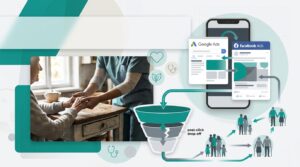
The consultancy’s bulletin highlighted Facebook Ads as a tool to reach caregiver candidates who are not actively searching job boards. The platform’s audience targeting capabilities allow agencies to place recruiting messages directly in front of individuals who may fit caregiver roles based on demographic and behavioral signals.
The bulletin framed Facebook advertising as a proactive recruitment method that expands applicant pipelines beyond candidates already monitoring traditional job postings. Demand for home care services continues to outpace caregiver availability, according to the bulletin, creating staffing shortfalls that limit agencies’ ability to accept new client admissions.
Agencies focused on caregiver recruitment may combine Facebook’s targeting with reputation management to strengthen employer brand perception before candidates reach application forms.
Voice-Preservation Platform Adds Family Engagement Layer
Jason Troyer, a grief educator and psychologist, developed Preserve Their Voice, a web-based storytelling platform that home care agencies, hospices, funeral homes, and cemeteries can brand as their own. The system encourages older adults to record personal stories, life lessons, and messages for future generations while connecting families to resources from the sponsoring organization.
The bulletin positioned the platform as a tool for agencies to strengthen family relationships during care episodes, creating differentiation beyond traditional service delivery. Troyer co-founded Healing Path Cemetery and formerly taught at the university level before launching the platform.
Home care and hospice providers spend more time with older adults and families than most other senior care segments, according to the bulletin, creating opportunities to facilitate memory preservation and meaningful conversations before cognitive decline or death.
Why This Matters Now
Home care agencies face simultaneous pressure on workforce recruitment and client admissions as labor shortages limit growth capacity. The four strategies outlined in the August 14 bulletin address both sides of that equation: credentialing networks and family-engagement platforms strengthen trust and referral pathways on the admissions side, while Facebook targeting and AI-adapted advertising expand caregiver pipelines.
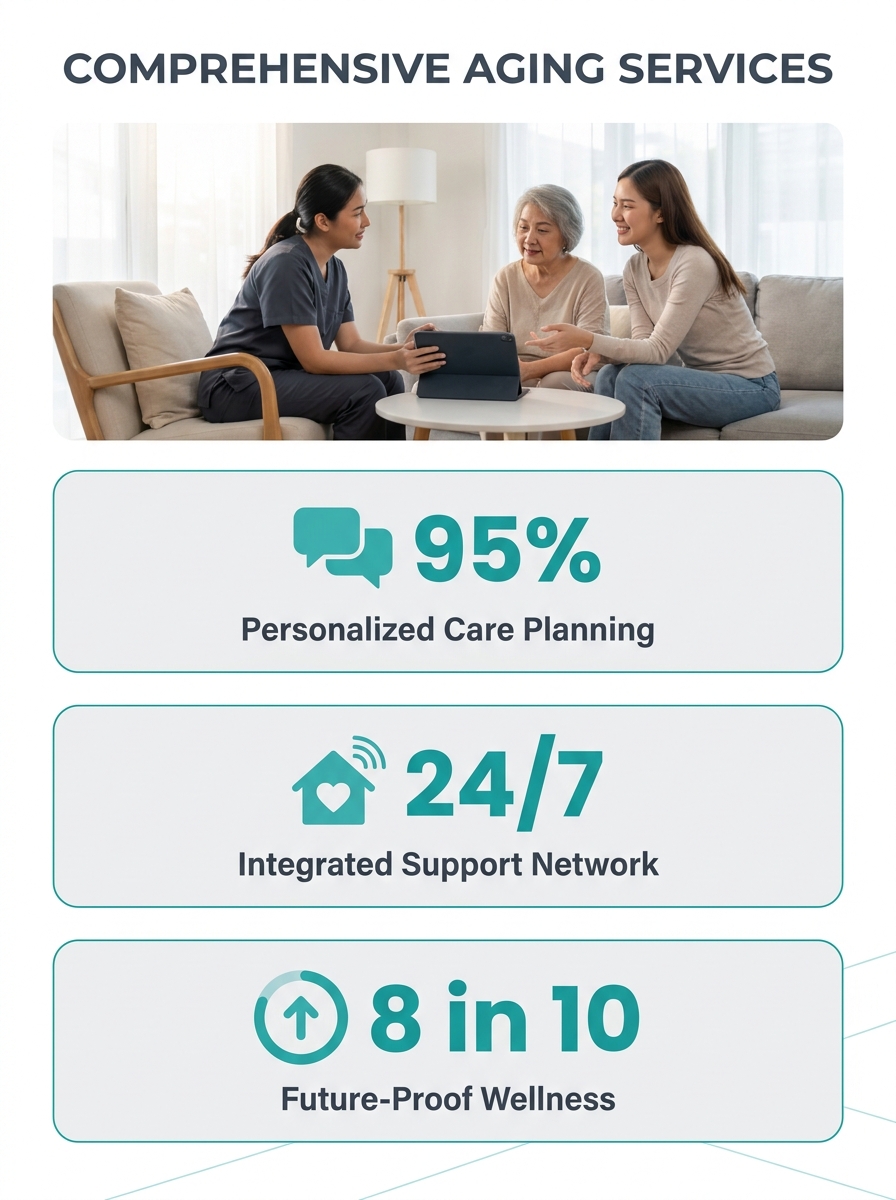
The Society of Certified Senior Advisors’ 3,000-member network represents a referral channel outside the typical discharge-planner relationships most agencies cultivate. Families searching for home care often need guidance on benefits, housing transitions, and legal planning—questions the CSA credential equips professionals to answer. Agencies that position themselves as comprehensive aging resources rather than narrow service vendors may capture referrals earlier in the family decision journey.
Caregiver recruitment strategies that rely solely on job boards miss candidates who are not actively searching but might respond to targeted outreach. Facebook’s behavioral targeting and Google’s AI-influenced search behavior require agencies to shift where and how they allocate advertising budgets. The bulletin frames these shifts as urgent: agencies that fail to adapt recruitment and admissions strategies to evolving digital channels risk falling behind competitors who have already recalibrated.