
Centers for Medicare & Medicaid Services Administrator Mehmet Oz last week directed state Medicaid directors to develop two-year provider revalidation strategies and increase oversight of providers deemed high-risk, according to McKnight’s Senior Living. The directive, issued April 20, could place assisted living operators that provide Medicaid home- and community-based services under heightened scrutiny as states rush to comply.
The mandate arrives as CMS has intensified Medicaid fraud enforcement in California, Florida, Maine, Minnesota, New York and other states, with particular focus on HCBS programs. Assisted living communities that serve Medicaid residents through Section 1915(c) waiver programs now face potential off-cycle revalidation requirements if states categorize HCBS as high-risk in their compliance strategies.
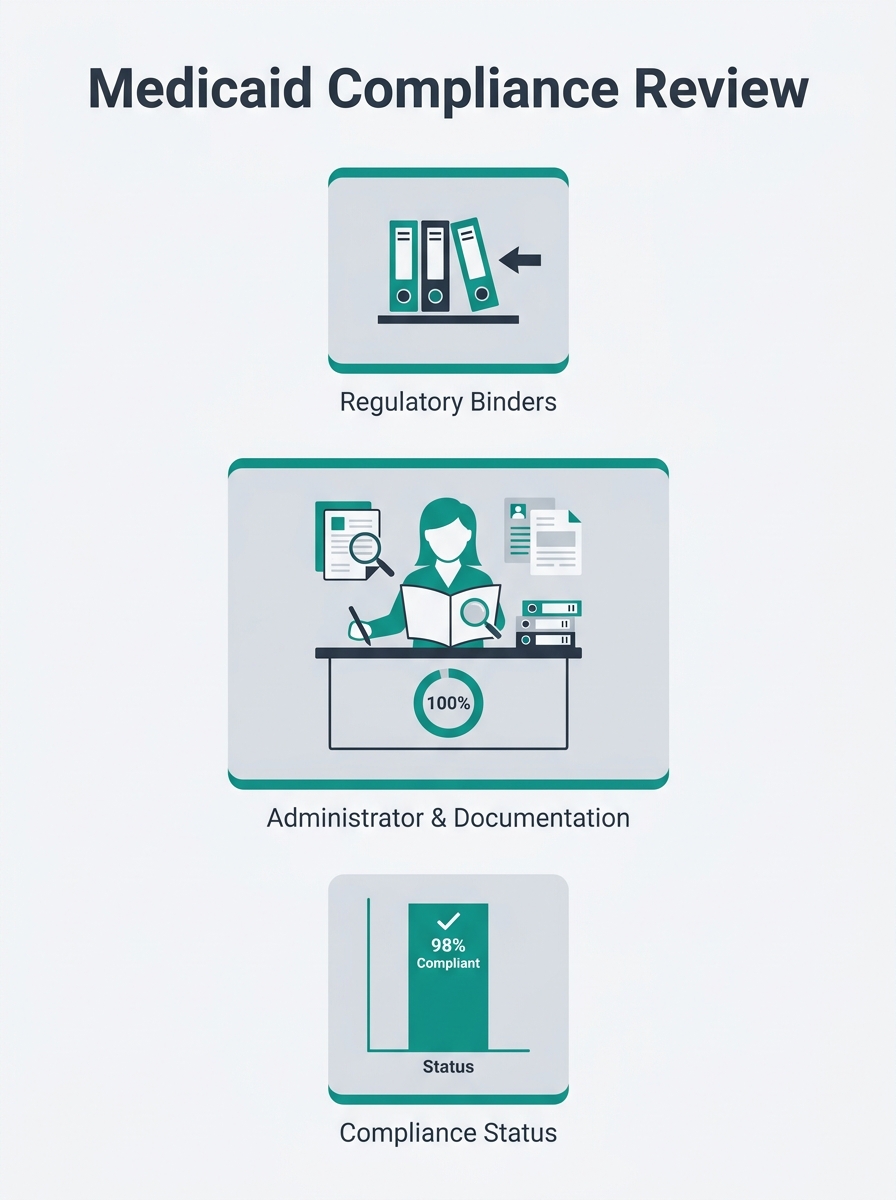
State Requirements and Condensed Deadlines
The provider revalidation strategies must detail how states ensure accuracy of enrollment data through revalidation or provider directory validation, the CMS letter specified. States must also adopt more frequent revalidation intervals than the minimum five-year requirement for providers they classify as high-risk.
“CMS recognizes the significant challenges that states face in administering their Medicaid programs, and that the majority of Medicaid providers are honest, hardworking and dedicated to rendering high quality care to beneficiaries,” Oz wrote. The letter characterized Medicaid fraud as a “persistent and growing threat posed by sophisticated actors knowingly exploiting these complex systems for financial gain.”
CMS previously highlighted concerns about certain HCBS services in California but left individual states flexibility to determine which services qualify as high-risk under the new directive.
Industry Concerns About Risk Categorization
LeadingAge Vice President of Government Affairs Mollie Gurian told McKnight’s Senior Living the organization supports targeted, risk-based fraud prevention but expressed concern about the abbreviated timeline states received to complete the work. The condensed schedule could push states to cast a wider net when designating high-risk categories, she said.
“We hope that states are able to balance their oversight mandate with how they categorize a program as high risk,” Gurian said. She noted that metrics such as increased enrollment or billing alone can mislead states into flagging legitimate growth trends as fraud indicators.
HCBS spending has risen nationwide as a direct result of decades of advocacy by families, people with disabilities and older adults seeking to age in community settings rather than institutions, Gurian explained. Bipartisan federal and state efforts to rebalance funding toward HCBS and away from nursing home care have also driven higher expenditures in the sector.
According to a December CMS report, beneficiaries receiving Section 1915(c) waiver program services accounted for the largest share of HCBS expenditures in 2023. Far fewer people received institutional services such as nursing home care than HCBS such as those provided in assisted living communities.
Medicaid Funding Stakes for Assisted Living
HCBS represents a vital funding source for nearly 20 percent of assisted living residents who rely on Medicaid, Argentum noted. Senior Vice President of Public Policy Maggie Elehwany said the association “strongly supports” safeguards protecting limited public dollars.
“Assisted living providers comply with all state and federal requirements governing HCBS funds and operate under robust anti-fraud frameworks, including provider screening, detailed documentation standards and active oversight by Medicaid Fraud Control Units,” Elehwany said.
Assisted living communities already adhere to federal laws requiring criminal background checks, maintain rigorous records demonstrating medical necessity of personal care services, and operate internal compliance programs to ensure accountability, she said. These existing safeguards help ensure appropriate use of Medicaid funds while supporting access to quality care for vulnerable seniors.
Administrators at facilities serving Medicaid-funded residents should understand how trust signals affect family decision-making as revalidation processes could temporarily affect referral flow if compliance documentation gaps emerge during state reviews.
What Happens Next
LeadingAge is recommending that assisted living providers offering HCBS and other HCBS providers closely monitor what their states submit to CMS and prepare for possible off-cycle revalidations. States face competing workloads related to HR 1 implementation alongside the new fraud mandate timeline, potentially affecting how quickly or broadly they categorize services as high-risk.
Facilities should audit their existing compliance documentation against state Medicaid enrollment requirements now rather than waiting for revalidation notices. Provider screening records, service authorization documentation, and direct care worker background check files represent likely audit targets if states designate HCBS as high-risk.
The flexibility CMS granted states in defining “high-risk” categories means compliance requirements could vary significantly by state. Administrators operating facilities across multiple states should track each state’s submitted strategy separately and adjust internal compliance protocols accordingly.