
Educational content addressing when families should consider assisted living for an aging relative appeared May 22 on WACH, published by Still Hopes, a South Carolina life plan community, according to the sponsored article. The piece identifies seven warning signs including medication management problems, falls, declining personal care, skipped meals, home maintenance challenges, memory changes affecting safety, and increasing isolation.
TL;DR: Still Hopes published sponsored educational content May 22 identifying seven signs families should watch for when considering assisted living, positioning the material to capture families early in the decision-making process before a crisis forces placement.
The content cites guidance from the National Institute on Aging on changes in hygiene, mobility, medication management, mood, memory, nutrition, home safety and social connection, according to the article. Still Hopes frames the decision around observable changes rather than sweeping judgments about independence, writing that “the conversation starts with a small concern” such as a missed medication dose or a fall.
Families considering assisted living often wait until a crisis—a serious fall, a hospitalization, or a medication error—forces an immediate decision, leaving little time to research communities or plan a transition. Educational content that meets families earlier in the awareness stage can position a provider as a trusted resource months before a placement decision occurs. The Still Hopes piece directly addresses common hesitations, stating “needing help does not always mean losing independence” and framing assisted living as support that “can make daily life safer and less stressful.”
Seven Warning Signs Identified
The WACH article lists medication management as the first concern, noting that missed doses, duplicate doses or confusion about prescriptions create safety risks. Families may observe pill bottles that remain full, unfilled prescriptions, or uncertainty about what each medication treats.
Falls and mobility problems appear as the second warning sign. The content distinguishes between a single fall and patterns of repeated falls, near-falls, or fear of walking that affect cooking, bathing, laundry and moving through the home, according to the article.
Declining personal care—wearing the same clothes repeatedly, bathing less often, or stopping personal grooming—can point to mobility difficulties, memory problems, depression or trouble managing daily routines, the piece states. Skipped meals, weight loss, expired food, empty cabinets or reduced interest in cooking signal nutrition concerns that assisted living meal programs can address.
Home maintenance challenges such as unopened mail, dirty dishes, laundry buildup, clutter or unsafe walkways may indicate daily tasks becoming unmanageable while also increasing fall risk or financial problems from missed bills, according to the article. Memory changes affecting medication management, driving, cooking, finances or routine tasks escalate from forgetfulness to safety concerns when families notice repeated questions, missed appointments, or confusion about time and place.
Isolation appears as the seventh sign. The content notes that loneliness affects health and quality of life when older adults stop seeing friends, attending religious services, participating in family events, or pursuing hobbies.
South Carolina Licensing Context
The article positions assisted living within South Carolina’s regulatory framework, noting that many communities are licensed as Community Residential Care Facilities by the South Carolina Department of Public Health. These facilities provide room, board and personal care while supporting residents’ dignity, privacy, independence and safety, according to state standards cited in the piece.
Still Hopes’ River Banks Assisted Living offers personalized care plans, medication management, meals, transportation to scheduled medical appointments, housekeeping and engagement opportunities, the content states. The provider also cross-references two blog posts on its site addressing life plan community preparation and the transition from independent living to care settings.
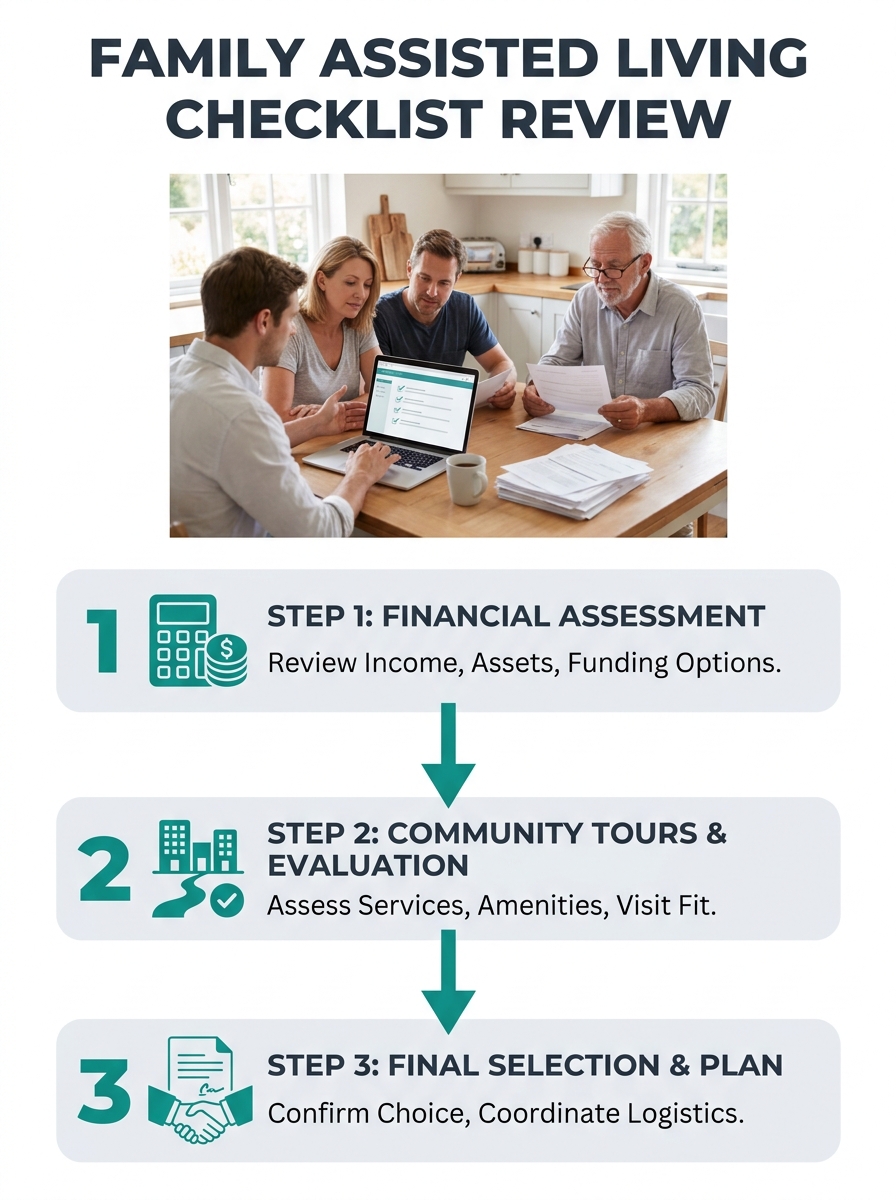
The article recommends families start with calm conversations focused on what has become difficult rather than what a loved one can no longer do, talk with a doctor, request a care assessment, and tour communities before an emergency forces a rushed decision.
What This Means for Owners
This sponsored content illustrates a marketing strategy that captures families in the early awareness stage, before urgency narrows their options. By publishing educational material addressing the “when” question—the timing pain point that keeps families awake at night—Still Hopes positions itself as a knowledgeable resource rather than simply advertising availability.
The piece demonstrates how assisted living providers can use SEO-optimized educational content to rank for family search queries months before a placement decision becomes immediate. Families researching “when to consider assisted living” or “signs parent needs help” encounter the content organically, creating early brand exposure that builds trust before they tour any community. The approach aligns with research showing families choose care facilities based on trust signals rather than amenity lists.
Operators can replicate the framework by identifying the specific questions families ask during initial phone calls or tours, then publishing content that answers those questions while citing authoritative sources like the National Institute on Aging. The key is addressing family concerns directly—medication safety, fall prevention, isolation—rather than leading with facility features. Content that meets families where they are emotionally, acknowledging hesitation about independence while reframing assisted living as support rather than loss, can differentiate a provider in competitive markets where most advertising focuses on amenities rather than decision-making guidance.