
Senior living operators are creating new staff roles and programming to reach solo-agers, a cohort of 24 million Americans aged 50 and older living without traditional family support networks, according to 2023 AARP data cited by Senior Housing News. GardenSpot Communities, United Church Homes, and Agemark Senior Living have launched navigator positions and consultative intake processes to connect with older adults who lack children, are estranged from family, or cannot rely on relatives for caregiving decisions.
TL;DR: Four senior living operators have deployed navigator roles and curated social programs to serve 24 million solo-agers, a segment in which 71% would consider community living but lack traditional referral pathways through adult children or spouses.
The AARP study found that 10% of the 24 million older adults living alone had no children, 11% were estranged from children, and 13% had children they did not view as trustworthy or able to assist with care decisions. A total of 71% of solo-agers surveyed said they would consider moving to a senior living community, the research showed.
Solo-agers face higher rates of social isolation, with 55% of adults 50 and older reporting they sometimes or often lacked companionship, 43% felt left out, and 42% felt isolated, according to the AARP data. Senior living providers are positioning programming and community-building efforts as solutions to this loneliness epidemic while competing with aging-in-place preferences.
Operators Deploy Navigator Roles to Build Trust Early
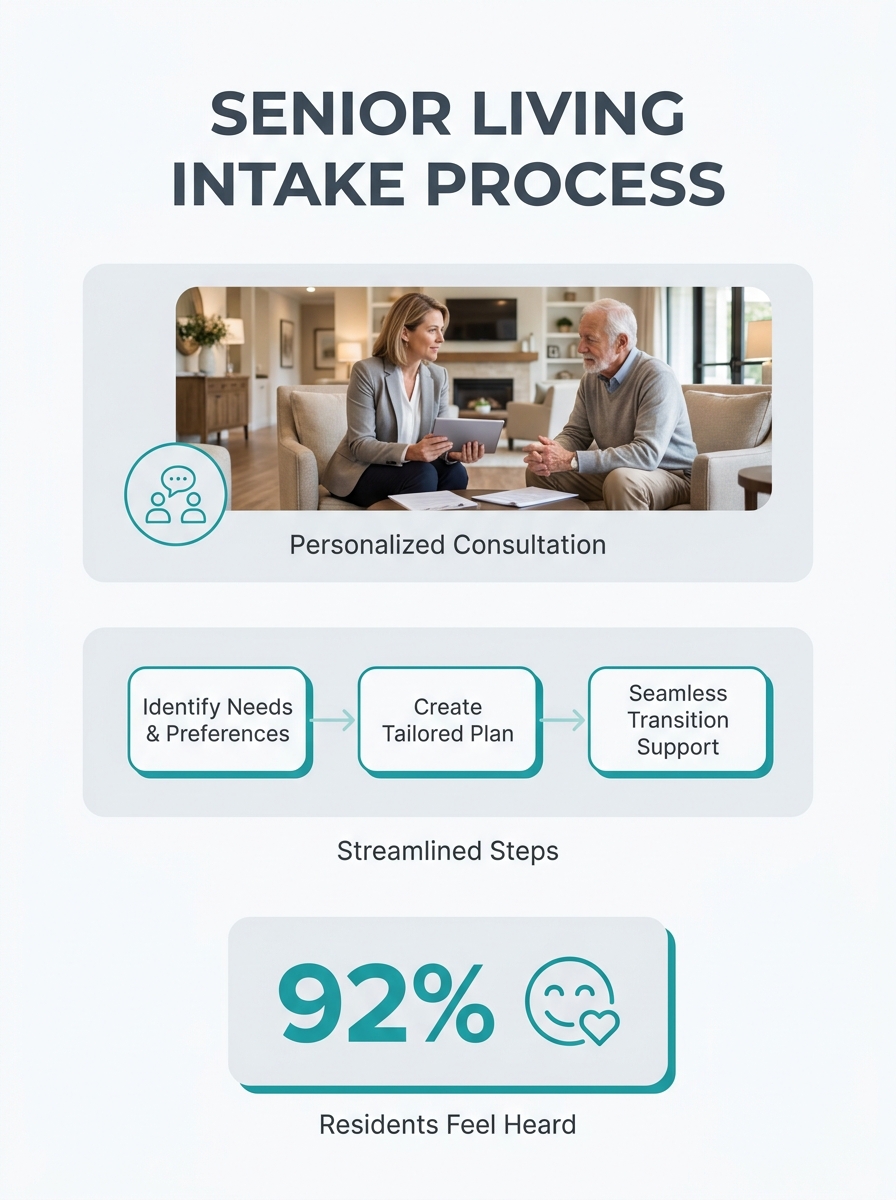
Senior living providers are identifying solo-agers during initial outreach and assigning dedicated staff to manage the transition from home to community. GardenSpot Communities created a “new resident navigator” role that asks incoming residents about talents, hobbies, and skills to match them with interest groups and social opportunities, according to CEO Steve Lindsey.
“That really was one of the things that led us to develop our cooperative living program, which is filled with solo-agers who wouldn’t be able to afford to live at a typical retirement community,” Lindsey said in the Senior Housing News report. The co-op homes are full and maintain waiting lists as demand remains strong, he added.
GardenSpot uses a consultative move-in process that focuses on listening to prospects’ stories and identifying aspects of their support networks, goals, and desired lifestyles. The approach gives solo-agers “agency and a voice” and connects them with a sense of belonging, Lindsey said. Solo-agers at GardenSpot are often “planners” who want to “chart the course” of their senior living journey.
United Church Homes relies on service coordinators as part of its NaviGuide program to help solo-agers transition. Service coordinators meet one-on-one with prospects to understand lifestyle and health care needs, according to COO Terry Spitznagel.
“I think socialization and the loneliness epidemic are among the things that may be driving so-called solo-agers to our communities,” Spitznagel told Senior Housing News. “The role can be a game-changer for folks without traditional support networks.”
United Church Homes created the “Abundant Living Club” to connect residents without large support networks through shared interests, hobbies, and curated social gatherings. Explaining what the “next chapter” of life could look like for someone without traditional support is important, and sharing insights on programming and social opportunities is critical in connecting with solo-agers, Spitznagel said.
Providers Manage Downsizing, Furnishing, and External Referrals
Agemark Senior Living’s Kingston Bay property in Fresno, California, helps solo-agers navigate the emotional transition by managing downsizing, furnishing apartments, and coordinating moves, according to Executive Director Arturo Correa. Staff take time to understand each resident’s personal support network and plan for changes in acuity.
“We aim to learn who the person is, what they enjoy and who they might naturally connect with,” Correa told Senior Housing News. “Sometimes it is as simple as introducing them to the right person at lunch.”
Agemark’s internal Community Support Guide helps staff direct solo-agers to outside services including legal planning, fiduciary services, Medicare guidance, conservatorships, advocacy, and care coordination. The framework acknowledges that solo-agers often lack the family members who traditionally research and coordinate these ancillary services during a senior living transition.
2Life Communities is also taking steps to address the solo-ager cohort, according to the Senior Housing News report, though specific program details were not disclosed.
Marketing Shift Emphasizes Lifestyle Benefits Over Family-Centered Messaging
Senior living operators are adjusting marketing for nursing homes and communities to emphasize social connections and lifestyle programming rather than family-centered messaging that assumes adult children will initiate the search process. The demographic shift requires providers to reach solo-agers directly through channels that do not rely on referrals from family members or adult children researching options on behalf of aging parents.
The industry has long competed with older adults choosing to age in place. States that spend more on home-based care see fewer nursing home placements, Census analysis has shown, making the value proposition of community living particularly important for solo-agers who lack care plans for ongoing living assistance at home.
Operators are recognizing that baby boomers represent a shift in consumer habits and preferences as they seek lifestyle and social offerings with care services available, according to Senior Housing News. The industry must be “thinking differently” about serving this generation or risk missing solo-agers who make placement decisions independently.
Providers Implications
The solo-ager demographic shift eliminates the traditional referral funnel in which adult children research communities on behalf of aging parents, forcing operators to rethink both marketing messaging and referral strategies. Solo-agers who lack family advocacy make placement decisions independently and often later in the decline curve, requiring providers to build trust through consultative intake processes that replace the reassurance family members typically provide during tours and contract negotiations.
Operators should audit marketing materials to ensure messaging speaks directly to older adults rather than assuming adult children will initiate contact. Navigator roles and service coordinator positions represent staffing investments that can differentiate communities competing for self-referred prospects, particularly in markets where 71% of solo-agers would consider community living but lack the traditional family prompts that drive move-in timelines. Targeted programming and curated social events that address the isolation rates AARP documented—55% lacking companionship, 43% feeling left out—become essential positioning tools when family connection is not part of the value equation.
The cooperative living models and affordable options GardenSpot deployed acknowledge that solo-agers often face cost barriers without family members who can supplement fees or provide unpaid caregiving that delays community placement. Providers serving middle-income markets should consider how pricing structures and financial counseling can reach solo-agers who cannot rely on family resources to close affordability gaps, particularly as this 24-million-person cohort represents significant census opportunity in 2026 and beyond.